

Mobile World Congress 2025 once again brought together industry leaders, innovators, and tech enthusiasts to showcase the latest in telco. But beyond the new product launches and concept demos, deeper conversations and insights emerged that will shape the future of mobile technology.
From AI-powered experiences to device circularity, MWC25 highlighted how the industry is evolving at an unprecedented pace. Here are some key takeaways from this year’s event:
1. From AI Hype to AI-powered Solutions
AI has been a dominant theme at MWC in recent years, but 2025 marked a shift from hype to real-world application.
This year’s event showcased how AI is being embedded into devices and networks in meaningful ways, driving both enhanced customer experiences and automation at scale.
As AI adoption accelerates, BT Business CTO Colin Bannon summed up the industry’s reality: "Slow is the new down." His statement underscored the urgency for telcos to keep pace with AI-driven demands to remain competitive.
From Samsung’s AI-powered Galaxy S25 to Google’s hyper-personalized Android features, manufacturers and operators showcased how AI is redefining customer interactions. AI-driven chatbots, real-time call translations, and fraud detection have become industry standards. Meanwhile, behind the scenes, AI is helping to streamline network automation, customer support channels, and predictive maintenance, helping carriers to operate more efficiently.
2. Portability, Modularity and New Form Factors
With hardware becoming increasingly similar across devices, MWC saw brands experiment with unique form factors, modular design and multipurpose accessories.
During their panel “Future of Mobile – There’s More to Protect,” Allstate Protection Plans / SquareTrade Global President & CEO, Karl Wiley, and Managing Director SquareTrade Europe, Kevin Gillan, discussed further device evolution, ownership behaviours and how our devices are now the ultimate enablers of modern life.
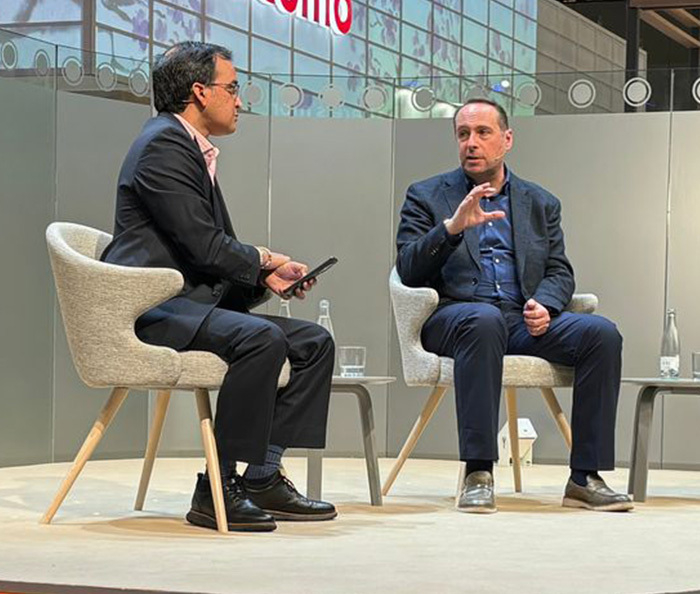
The discussion underscored that as devices become more portable, modular, and diverse in form, protecting the hardware remains crucial, but equally, if not more important is safeguarding the digital lives within them.
"Our devices are our digital lives, they do more for us, and mean more to us, than they ever have. The risks of not protecting them adequately will extend far beyond lost or damaged hardware."— -
Notable mentions
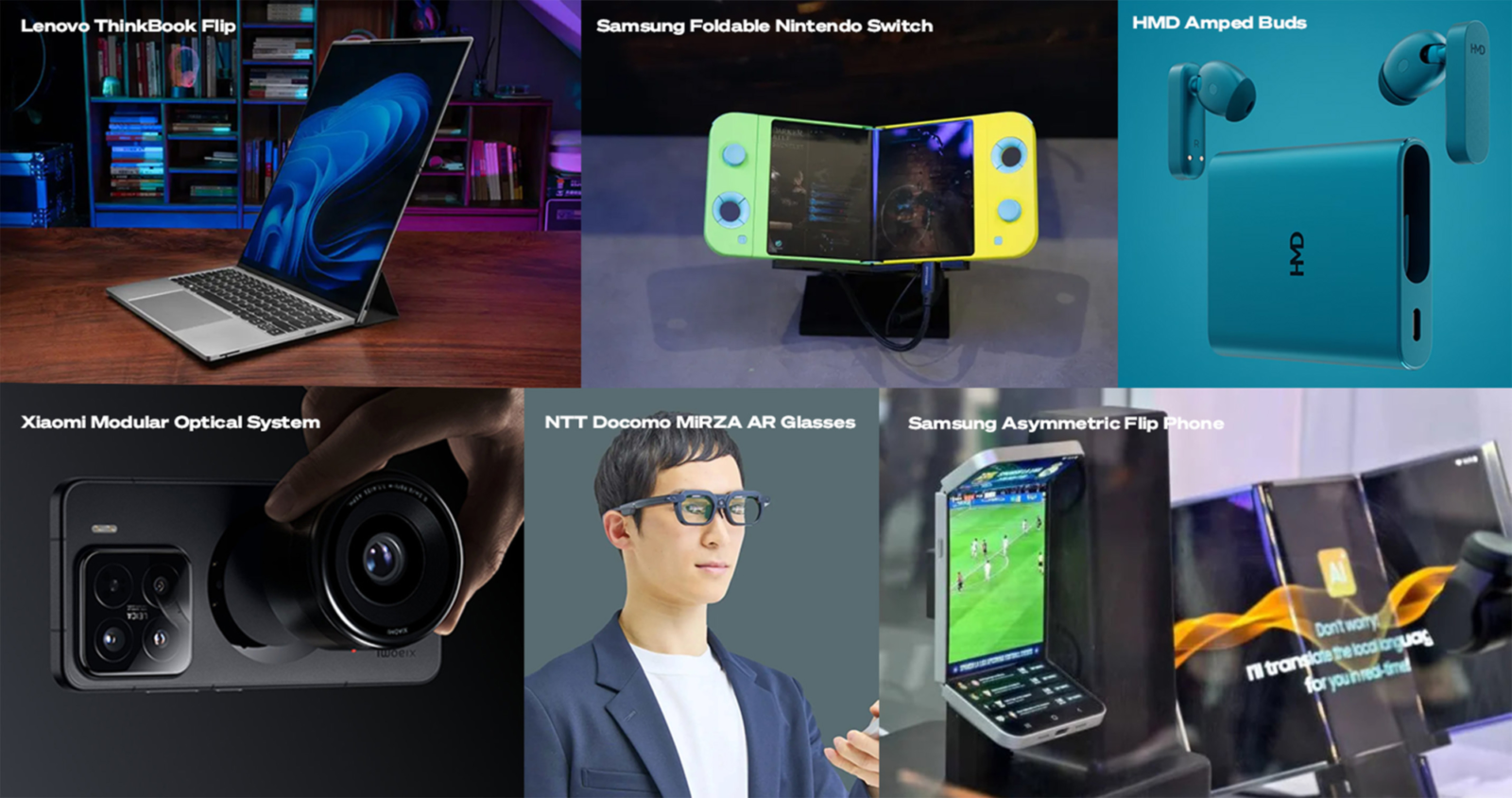
- Lenovo ThinkBook Flip – A dual OLED flexible display that expands into an 18.1-inch screen, adapting to different workflows.
- Samsung Foldable Nintendo Switch Concept – Bringing new possibilities for gaming.
- Samsung Display Asymmetrical Fold - Z Flip 6-style phone with two asymmetrical folding segments, leaving the middle of its screen visible.
- Xiaomi Modular Optical System – A detachable camera lens that enhances device versatility whilst simplifying its form.
- NTT Docomo MiRZA AR Glasses – Merging digital and physical environments, bringing interactive overlays to workspaces.
- HMD Amped Buds – Earbuds with a charging case that doubles as a backup battery, adding a layer of practicality beyond just audio.
3. Sustainability, Regulation and Evolving Device Ownership Trends
Sustainability wasn’t the loudest theme at MWC25, but for those looking deeper, there were critical, progressive discussions happening throughout the event.
Regulation and Right to Repair
Industry leaders also turned their attention to regularity hurdles influencing the future of mobile tech. European operators including Telefonica, Orange, Vodafone, and Deutsche Telekom called for regulatory reforms to boost competitiveness and reduce market fragmentation.
At the same time, as the need circularity grows, pressure is mounting for the industry to align sustainability efforts to encourage long-term change. We were happy to see discussions on eco-design, USB-C standardization, and right-to-repair laws gaining momentum.
Scaling Circularity
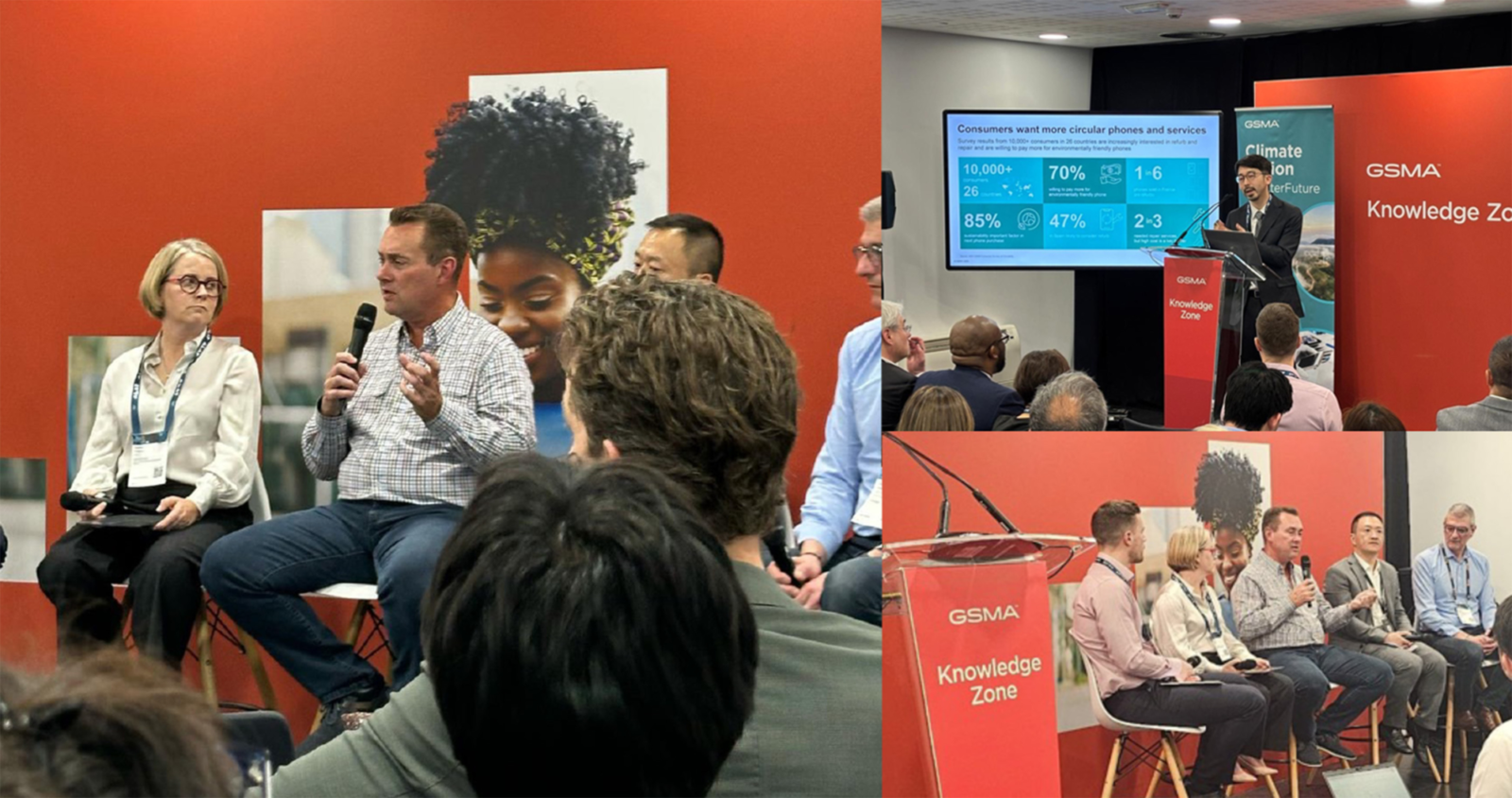
A standout session, hosted by the GSMA, centred around its recently launched report, "Rethinking Mobile Phones: The Business Case for Circularity.” Discussions emphasised how business models must prioritise longevity and how industry collaboration can help to scale circularity across the mobile ecosystem; from flexible device ownership models to consumer education on reuse and recycling.
"Circularity requires behaviour shifts across consumers and the value chain. A true circular economy, from new phones to second and third lives is essential. The biggest challenge? Breaking the habit of hoarding devices. We need a one-for-one exchange model to make circularity work at scale."— Andrew Butterworth, APAC MD, Kingfisher
Similarly, during the panel “The power of small steps in driving big change” panelists from Accenture, Orange, Kingfisher and CCS Insight shared how sustainable and swift innovation doesn’t have to come at the cost of progress.
“Change is often perceived as something big, difficult, time-consuming, and expensive. We need to shift that mindset and show that small, intentional steps can drive meaningful impact.” Georgiann Reigle, Kingfisher CEO."— Georgiann Reigle, Kingfisher CEO.
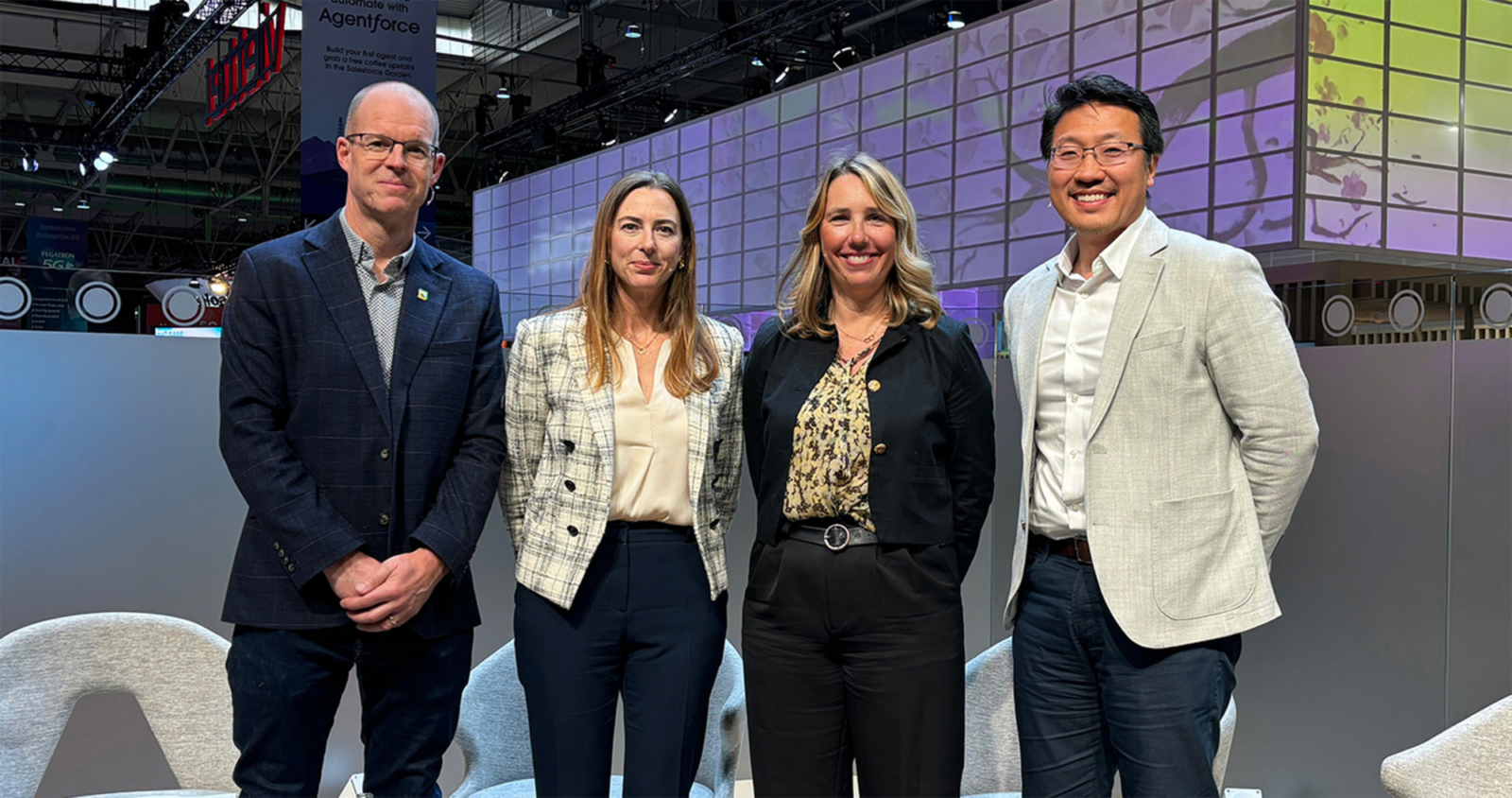
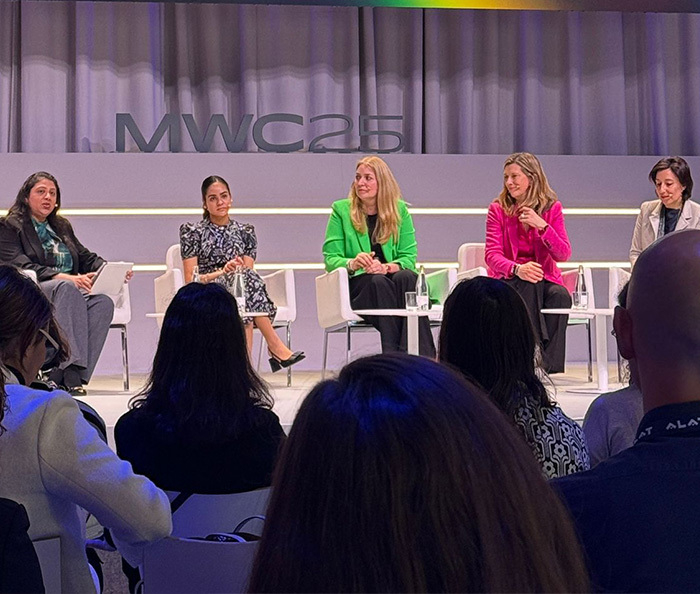
Meanwhile, industry sustainability also relies on fostering the next generation of talent. A panel featuring Tech She Can, Shutterstock, SquareTrade, Workshop4Me, and Ericsson explored how to ignite interest in STEM careers among young women while supporting those already in the industry.
Turning to sustainable products and initiatives:
- Telekom, in collaboration with Fairfone demonstrated its circular router, a prototype made from repurposed smartphone components.
- MWCapital & CaixaBank demonstrated their Carbon Footprint Tool – An AI-powered interactive experience educating users on personal carbon footprints and sustainable habits.
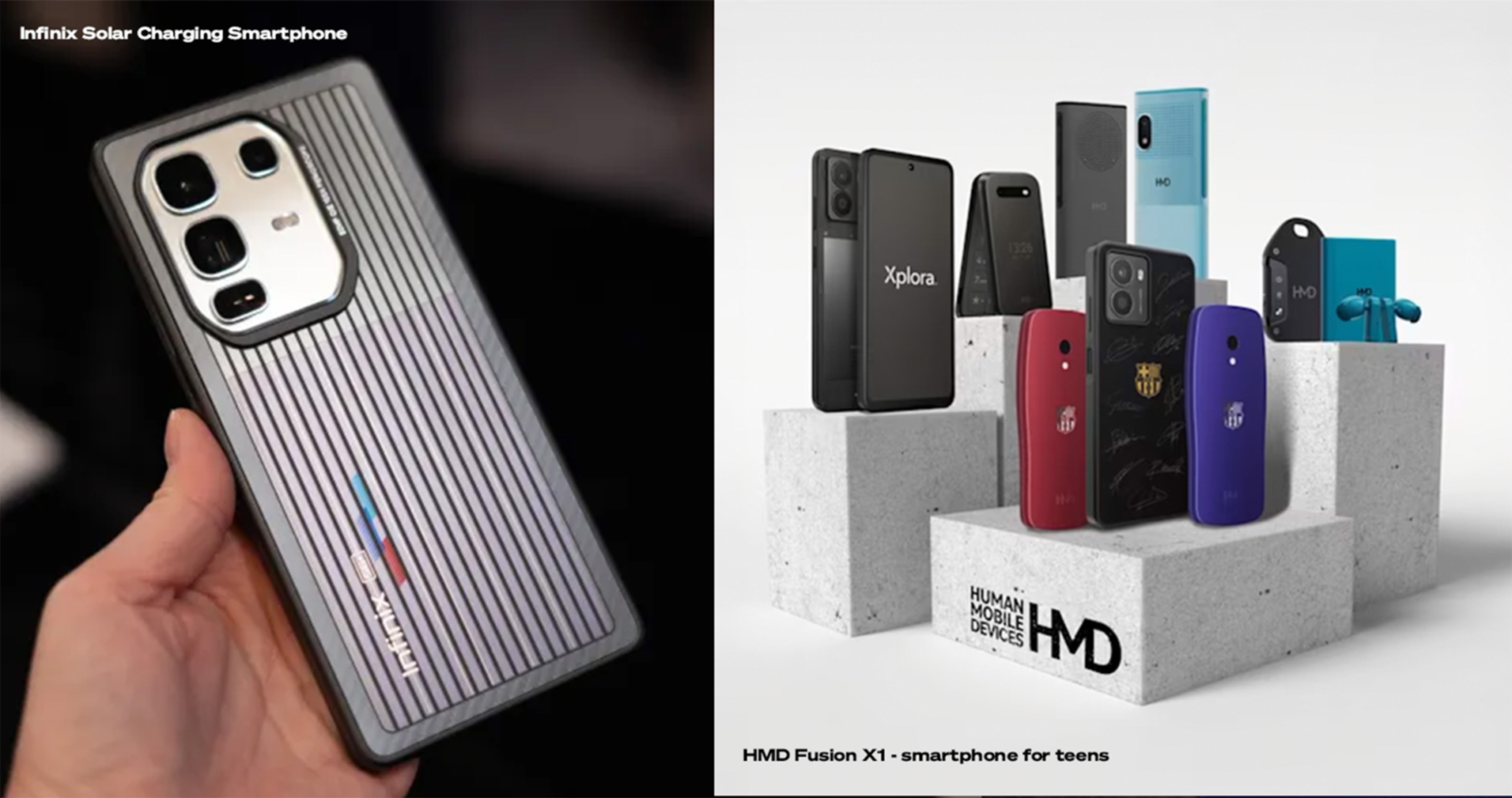
- HMD Fusion X1 demonstrated the first smartphone for teens, designed to address screen time and online safety concerns.
- Infinix Solar Charging Smartphone – Integrating solar panels for sustainable charging.
- Meanwhile, Orange continues to advocate for extended device lifespans and transparent lifecycle analyses, reinforcing the need for accountability in the industry.
Even with all these advances, during MWC some smaller manufacturers shared their struggle to commit to long-term sustainability targets due to high design costs and limited influence over the supply chain.
And with Samsung unveiling its latest Galaxy A-series budget phones (priced under $500), it’s clear that as more affordable devices flood the market, sustainability has never been more important.
4. Beyond the Hardware
In addition, several key reports launched prior to MWC brought fresh industry insights to the conversation.
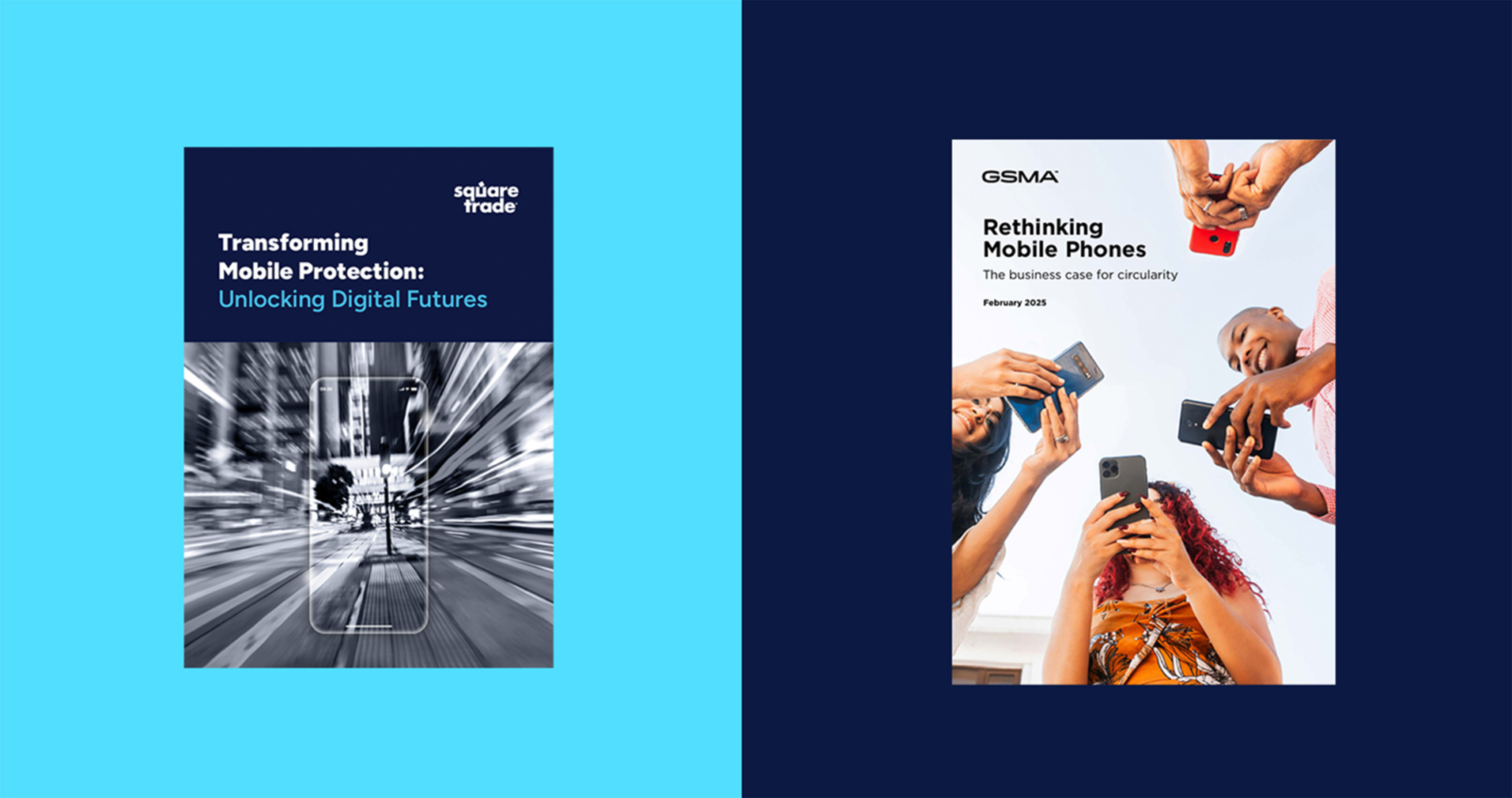
- SquareTrade - Transforming Mobile Protection: Unlocking Digital Futures – Insights into evolving consumer expectations and the innovations reshaping mobile protection.
- GSMA - Rethinking Mobile Phones: The Business Case for Circularity – Research with consumers and operators highlighting the shift towards circularity in mobile devices.
- PwC - Global Telecoms Outlook – A research piece analyzing industry growth, despite rising costs and competition and rethinking value creation.
We look forward to seeing how these trends unfold at MWC26.

